Sailboat Illustration Silhouette
First Impressions: A Timeless Nautical Design
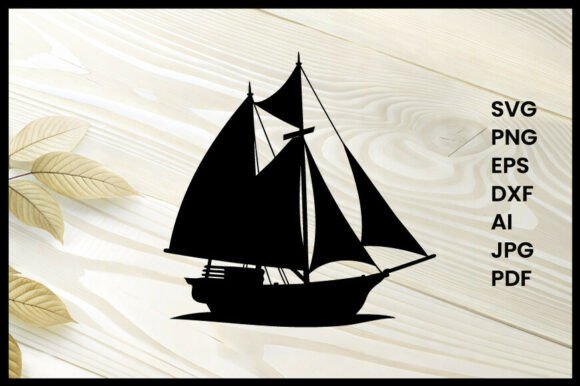
The Sailboat Illustration Silhouette immediately evokes a sense of calm and nostalgia. The elegant black silhouette of a two-masted sailing ship against a white background is simple yet striking. Its clean lines and minimal detail make it versatile for a wide range of embroidery projects. This design feels like it belongs on a classic nautical-themed product, from a handmade tote bag to a baby onesie.
The layout is balanced and well-proportioned, making it easy to adapt to different sizes and formats. It doesn’t scream for attention but rather invites the viewer to imagine the story behind the ship. Whether used as a standalone element or part of a larger composition, it maintains its visual integrity and charm.
Real-World Embroidery Use Cases
As an embroidery designer, I often look for designs that can be easily adapted to various fabrics and garments. The Sailboat Illustration Silhouette fits into this category. It works well on custom apparel like sweatshirts, t-shirts, and tote bags. Its simplicity makes it ideal for a minimalist aesthetic, which is currently popular among many small business owners and Etsy sellers.
For baby items, the design adds a subtle nautical touch without being too bold. It could be used on onesies, blankets, or even a personalized baby shower gift. The lack of intricate details also means it’s less likely to get lost in the fabric texture, making it a safe choice for delicate materials.
Embroidered patches are another great application. The design translates well to a patch format, especially when using satin stitch for the outline and fill stitch for the background. It can be sewn onto jackets, backpacks, or caps, offering a professional finish that looks great on both casual and more formal wear.
Where to Be Cautious
While the Sailboat Illustration Silhouette is a strong design, there are certain scenarios where it may not perform as well. For instance, on small hoop sizes, the design might feel cramped, especially if the user wants to add additional elements. It’s important to check the recommended hoop size before starting any project.
On textured or stretchy fabrics, the design might not lay flat as intended. Using the right stabilizer can help prevent puckering or distortion. Similarly, on thin or dark fabrics, the contrast between the black silhouette and the background may be less effective. Testing the design on different fabric types is always a good idea.
If the design is used on curved surfaces like caps or hoods, the edges might not align perfectly. This can affect the overall appearance, so careful placement and possibly some reworking of the design may be necessary.
Impact on Visual Appeal and Customer Perception
The Sailboat Illustration Silhouette enhances the visual appeal of any product it’s applied to. Its clean, modern look gives a sense of professionalism that appeals to a broad audience. For handmade products or personalized gifts, this design adds a touch of sophistication that can elevate the perceived value of the finished item.
Customers often appreciate designs that are both functional and aesthetically pleasing. This silhouette offers a balance between the two, making it a reliable choice for craft businesses looking to build brand consistency. Whether it’s used on a holiday gift or a boutique product, the design maintains a level of quality that resonates with buyers.
For commercial embroidery projects, the design’s simplicity helps reduce stitching time and material waste. This can lead to cost savings, which is beneficial for small shop products or print-on-demand services. The design also lends itself well to printable mockups, allowing designers to showcase their work effectively before production.
Practical Designer Notes
Before using the Sailboat Illustration Silhouette in any project, I recommend testing it on scrap fabric. This allows you to see how the design interacts with different materials and adjust your approach accordingly. Checking thread color contrast is also essential, especially if the design will be used on dark or patterned fabrics.
Reviewing the stitch density is another key step. If the design is too dense, it may cause the fabric to pucker or the stitches to become too visible. Conversely, if it’s too light, the design might not hold up well over time. Ensuring the design is compatible with your embroidery machine and hoop size is crucial for a smooth workflow.
Inspecting small details like corners and edges can reveal potential issues that may not be obvious at first glance. Testing the design in black and white mockups helps assess how it will look on different backgrounds. Comparing it on light and dark fabrics can also provide valuable insight into its versatility.
Finally, always confirm the licensing terms before selling finished items or digital products. Even though the product description mentions it’s suitable for print-on-demand services, it’s wise to double-check to avoid any legal complications down the line.